How to charge a portable power station with solar panels
Updated Oct 3, 2026
We may earn a commission when you buy through links on this page. As an Amazon Associate I earn from qualifying purchases.
Solar is what turns a power station from a big battery into an off-grid power system. How fast it recharges depends on two things: the station's maximum solar input and how much sunlight your panels actually capture.
Why panels make less than their rating
A "200 W" panel produces 200 W only in ideal lab conditions. Outdoors, sun angle, heat, haze and partial shade usually cut that to 60–80%. Panels also produce most of their power in the middle of the day. Plan on about 4–6 hours of useful sun in summer.
Recharge times at maximum solar input
"Ideal" assumes the station receives its full rated solar input. "Realistic" assumes 70% of it.
| Power station | Max solar input | Ideal full charge | Realistic (70%) |
|---|---|---|---|
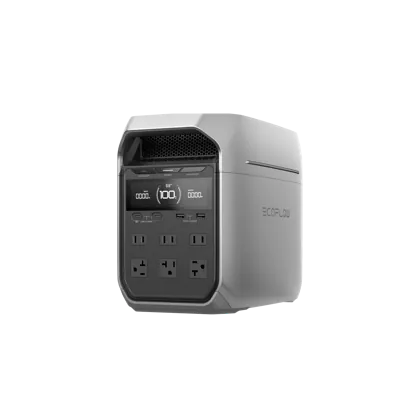 EcoFlow DELTA 3 Plus EcoFlow DELTA 3 Plus | 1,000 W | 1.0 h | 1.5 h |
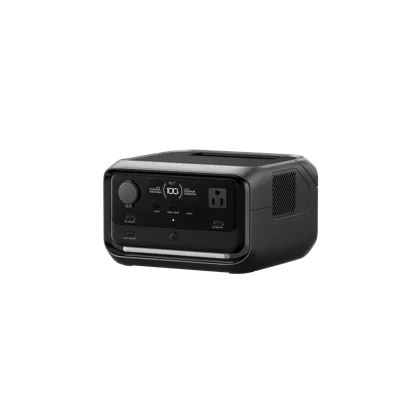 EcoFlow RIVER 3 Plus EcoFlow RIVER 3 Plus | 220 W | 1.3 h | 1.9 h |
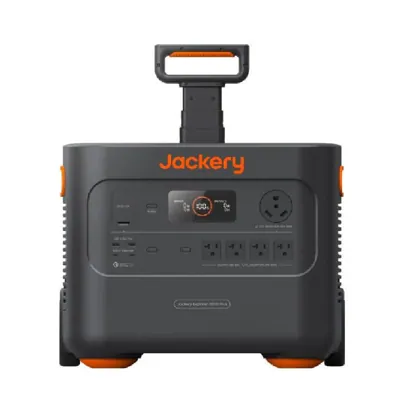 Jackery Explorer 2000 Plus Jackery Explorer 2000 Plus | 1,400 W | 1.5 h | 2.1 h |
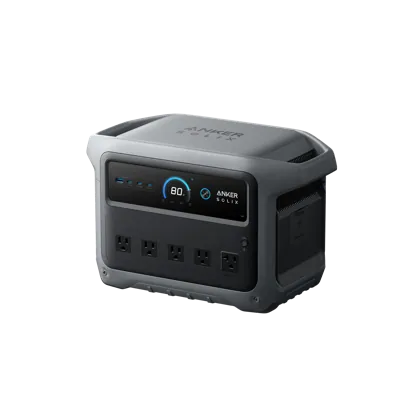 Anker SOLIX C1000 Gen 2 Anker SOLIX C1000 Gen 2 | 600 W | 1.7 h | 2.4 h |
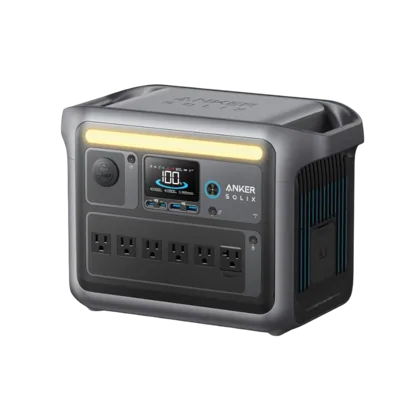 Anker SOLIX C1000 Anker SOLIX C1000 | 600 W | 1.8 h | 2.5 h |
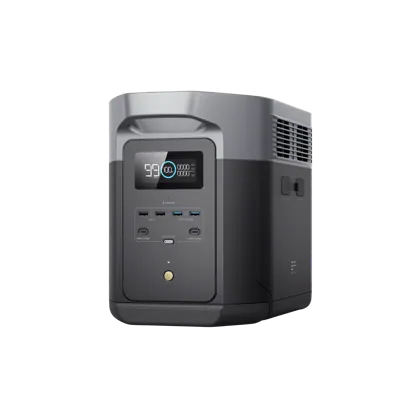 EcoFlow DELTA 2 Max EcoFlow DELTA 2 Max | 1,000 W | 2.0 h | 2.9 h |
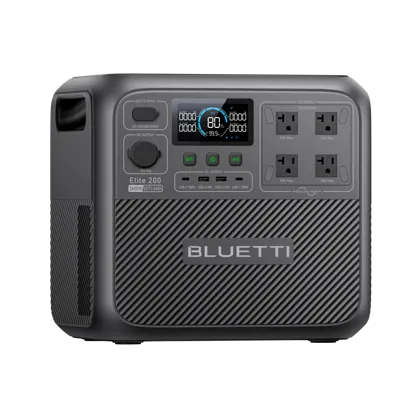 BLUETTI Elite 200 V2 BLUETTI Elite 200 V2 | 1,000 W | 2.1 h | 3.0 h |
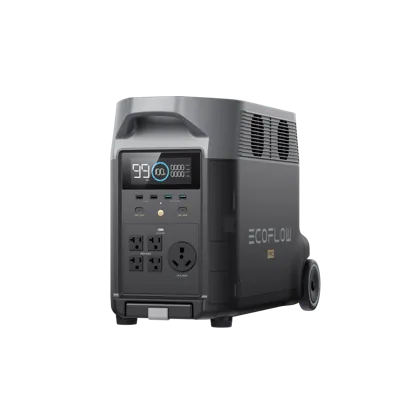 EcoFlow DELTA Pro EcoFlow DELTA Pro | 1,600 W | 2.3 h | 3.2 h |
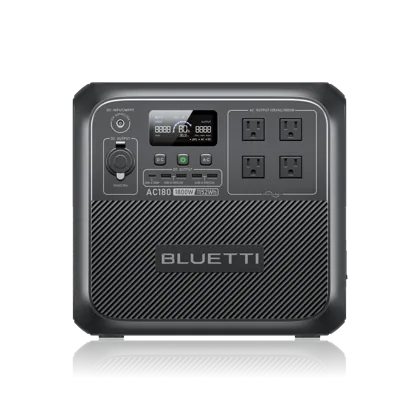 BLUETTI AC180 BLUETTI AC180 | 500 W | 2.3 h | 3.3 h |
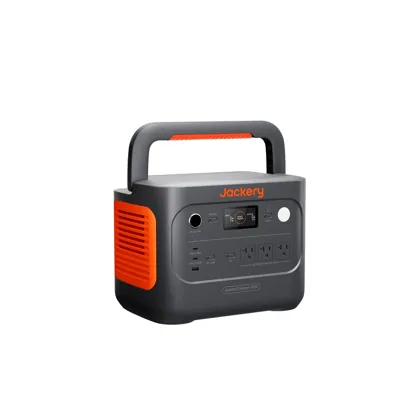 Jackery Explorer 1000 v2 Jackery Explorer 1000 v2 | 400 W | 2.7 h | 3.8 h |
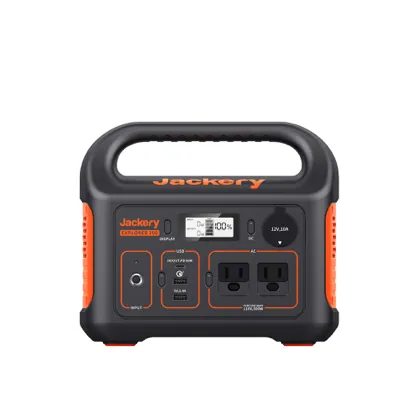 Jackery Explorer 300 Jackery Explorer 300 | 90 W | 3.3 h | 4.7 h |
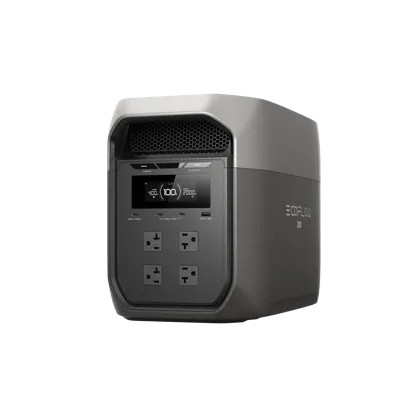 EcoFlow DELTA 3 Max EcoFlow DELTA 3 Max | 500 W | 4.1 h | 5.9 h |
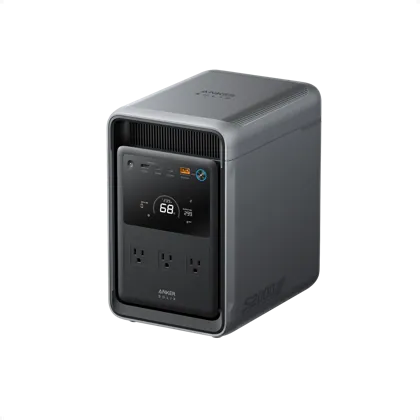 Anker SOLIX S2000 Anker SOLIX S2000 | 400 W | 5.0 h | 7.2 h |
Matching panels to your station
- Voltage: each station accepts a solar voltage range (e.g. 11–60 V). Panels wired in series add voltage, so check the total stays within range.
- Wattage: panels rated above the station's maximum input won't charge faster, but a bit of extra panel helps on cloudy days.
- Connectors: most stations use XT60 or Anderson inputs. Same-brand panels are plug-and-play; others may need an adapter cable.
Best stations for solar
If you'll rely on solar, prioritize high solar input and LiFePO4 cells, which handle daily cycling for years.
EcoFlow · Mid-size
DELTA 3 Plus
- 1,024Wh
- 1,800W out
- 27.6lb
The DELTA 2’s successor: same 1 kWh size, but 4,000 cycles, double the solar input (1,000 W), 140 W USB-C and expansion to 5 kWh.
EcoFlow · Whole-home
DELTA Pro
- 3,600Wh
- 3,600W out
- 99lb
A wheeled 3.6 kWh home-backup system with 3,600 W output that can expand far beyond its base capacity. Heavy at 99 lb.
Jackery · Large
Explorer 2000 Plus
- 2,042Wh
- 3,000W out
- 62lb
2 kWh with 3,000 W output and expansion to 12 kWh with add-on batteries. Aimed at whole-home backup, with wheels to make its 62 lb manageable.
As an Amazon Associate I earn from qualifying purchases.
See also: best power stations for RVs and van life.